NHS recognises portering needs real-time visibility


New national standards recognise that delivering modern portering depends on real-time visibility and digital technology.
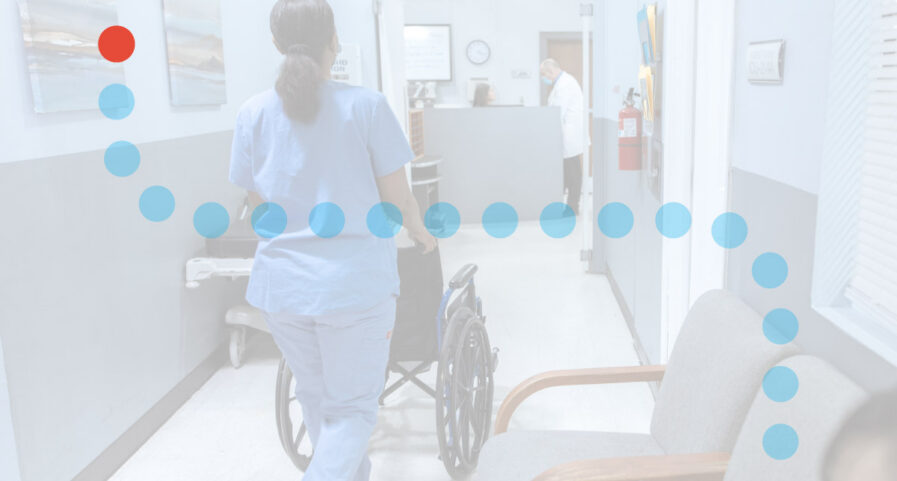
For years, discussions about improving patient flow have tended to focus on beds, theatres and discharge processes, and there is one hospital service that connects them all: portering.
Every day, porters move patients, equipment, specimens, blood products, medical gases, food, linen and countless other resources that keep hospitals operating safely and efficiently. When those movements are delayed, it affects clinical workflows, patient experience and the operational performance of the hospital as a whole.
Recognising this, NHS England has now published its first national standards for healthcare portering services, setting out a consistent framework for how portering should be delivered across NHS organisations. The guidance covers leadership, governance, training and patient safety, and one of the clearest messages is that modern portering increasingly depends on digital technology and real-time operational visibility.
The new standards highlight the role of digital tools in supporting real-time communication, activity tracking and scheduling, helping organisations optimise patient transfers, reduce delays and make better operational decisions. They also encourage trusts to use technology to identify trends, understand service performance and support continuous improvement.
This reflects a broader shift across the NHS; hospitals are no longer simply looking to move patients from A to B quickly; they want to understand where delays occur, how resources are used, where demand is greatest and how operational performance can be improved.
Achieving that level of insight requires more than manual coordination. Traditional approaches based on radios, phone calls and paper records make it difficult to gain an accurate picture of activity across a busy hospital. Real-time visibility allows portering teams to see where work is happening, respond more effectively to changing demand and provide operational leaders with the data needed to support planning and continuous improvement.
Developed from award-winning University of Oxford research, Navenio’s software provides this visibility without the infrastructure traditionally associated with Real-Time Location Systems (RTLS). Using smartphones and existing devices, hospitals gain real-time insight into the location of people, assets and workflows without installing hardware throughout the estate.
This enables organisations to improve porter coordination, reduce unnecessary delays and better understand how their services operate day to day. It also supports many of the objectives highlighted in the new national standards, including improved communication, operational transparency, performance monitoring and data-driven decision making.
The publication of these standards reflects the growing recognition that portering is not simply a support function, but an essential contributor to patient flow and hospital performance. As NHS organisations continue their digital transformation, real-time operational visibility will become increasingly important in helping portering teams deliver safe, efficient, responsive services.